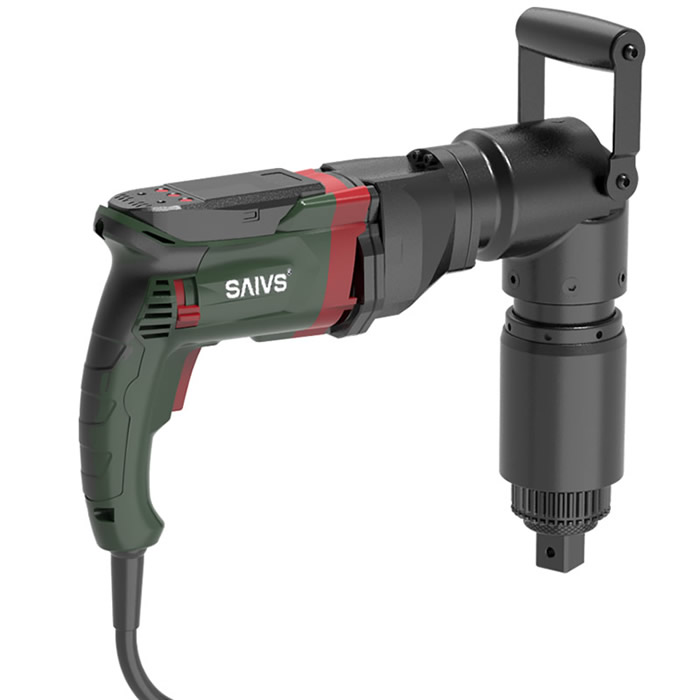
Do Preset Torque Wrenches Need to Be Calibration?
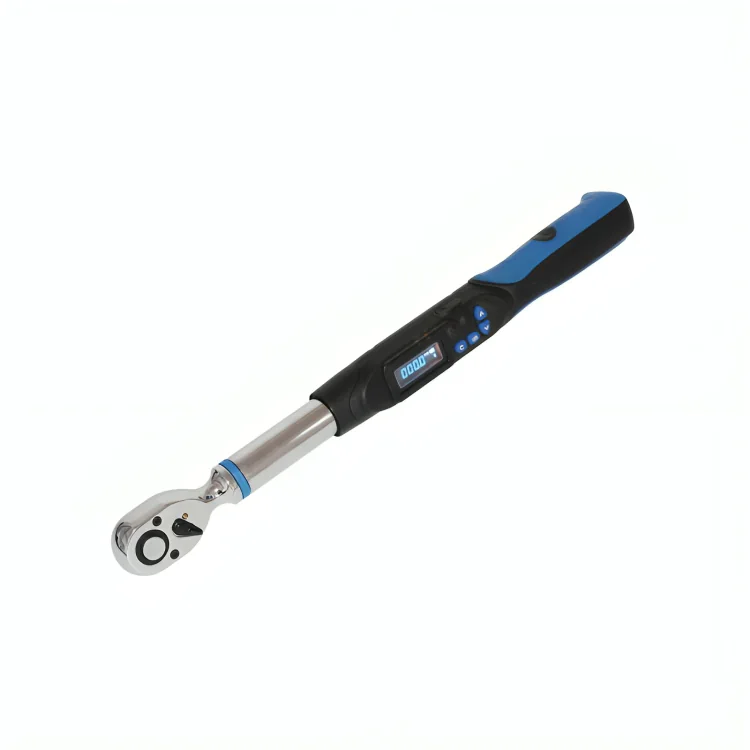
In industrial assembly, manufacturing plants, and heavy maintenance operations, ensuring that every fastener is tightened to exact specifications is vital for structural safety. Many technicians often wonder: do preset torque wrenches need to be calibrated? The short answer is yes. Like all precision measuring instruments, Preset Torque Wrenches lose their calibration over time due to mechanical wear, spring fatigue, frequent use, and environmental conditions.
Understanding why calibration is necessary and how to maintain your tools ensures that your bolting operations remain accurate, reliable, and compliant with industry quality standards.
Why Preset Torque Wrenches Lose Calibration
Even though preset torque wrenches are factory-adjusted to a specific, non-adjustable torque value for repetitive assembly lines, their internal mechanisms are still subject to physical forces.
Mechanical Spring Fatigue
The core mechanism inside a mechanical preset torque wrench relies on a calibrated internal spring that trips or clicks when the target force is reached. As the tool is repeatedly compressed and snapped during daily assembly tasks, the spring undergoes continuous stress. Over thousands of cycles, this metal fatigue causes the spring to relax slightly, altering the precise force required to trigger the mechanism.
Wear and Tear on Internal Components
In high-volume manufacturing environments, internal pivots, cams, and bearings experience constant friction. Microscopic wear on these contact surfaces changes the mechanical leverage and release point of the wrench. Without routine calibration checks, a tool that was once set precisely to a specific target may begin under-tightening or over-tightening fasteners.
Environmental Factors and Handling
Workplace conditions also play a role in calibration drift. Exposure to temperature fluctuations, humidity, metal dust, and accidental drops or impacts can knock sensitive internal components out of alignment. Regular verification ensures these environmental factors haven't compromised the tool's accuracy.
Best Practices for Maintaining Tool Accuracy
To ensure your preset torque wrenches remain dependable, maintenance teams should follow a structured calibration and handling schedule.
Establishing a Routine Calibration Schedule
Most manufacturers and quality standards (such as ISO requirements) recommend calibrating torque tools at least once a year, or every 5,000 to 10,000 cycles—whichever comes first. If a wrench is dropped, subjected to a heavy shock, or used in harsh, abrasive environments, it should be recalibrated immediately before returning to service.
Proper Storage and Handling
Protecting your tools between uses extends their calibration life. Always store preset wrenches in their protective cases in a clean, dry location. Avoid tossing tools onto hard concrete floors or workbench surfaces, as impact shocks can instantly shift internal spring settings.
Partnering with Certified Calibration Services
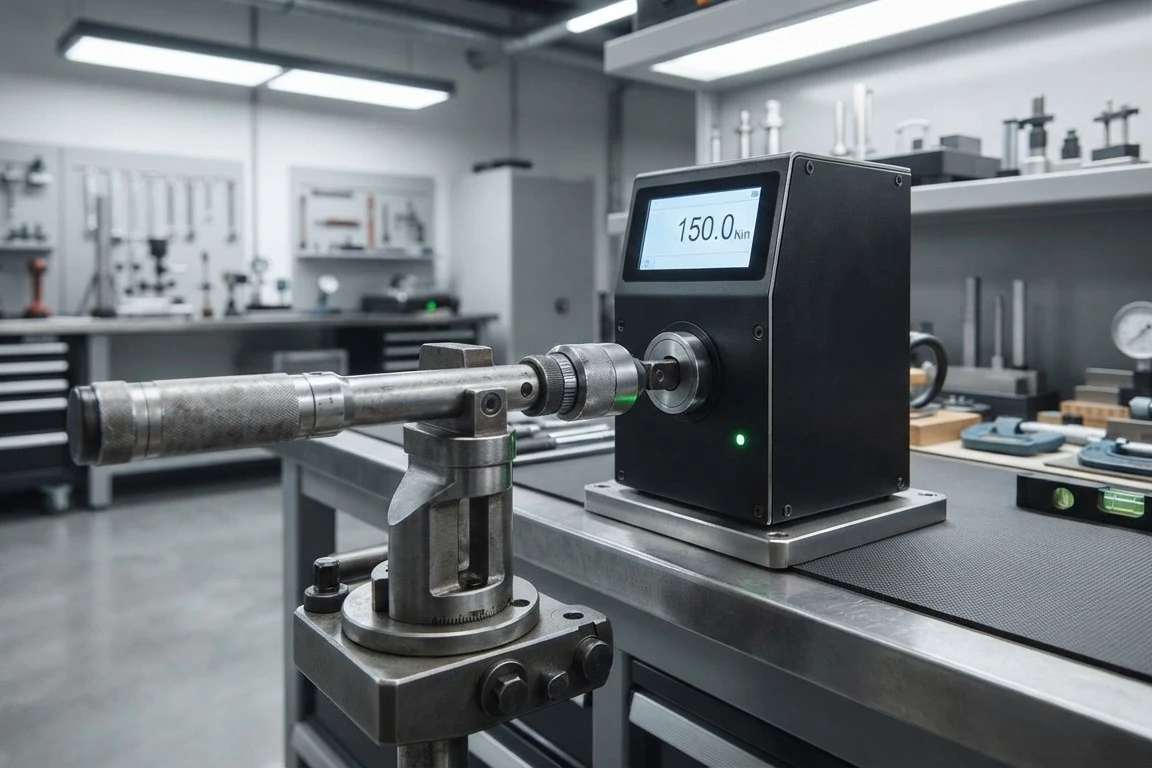
Calibrating a preset torque wrench requires specialized testing equipment, such as digital torque analyzers and load cells traceable to national standards. Utilizing professional calibration services guarantees that your tools are adjusted back to exact manufacturer specifications, protecting your assembly quality.
Achieving Excellence with Professional Equipment
Success in industrial assembly relies on selecting robust tools and maintaining them with high-quality supplies engineered specifically for the demands of your work environment.
Engineering for Consistent Results
When operating high-pressure or high-precision industrial systems, you need equipment designed for extreme durability and effortless serviceability. Robust housing designs, precision internal machining, and high-grade materials ensure reliable performance under continuous heavy loads. Saivs focuses on providing heavy-duty fluid power and bolting hardware that stands up to demanding industrial use, giving you dependable results every single time.
Expert Support for Your Tooling Needs
Selecting the ideal torque tool, understanding calibration intervals, or evaluating maintenance procedures requires a clear understanding of mechanical dynamics. If you need assistance with equipment selection, custom calibration settings, or troubleshooting, consult with experts who understand industrial assembly. Professional guidance ensures that your hardware investments accurately protect your operational safety and efficiency.
Trusted Solutions for Industrial Excellence
For professionals demanding the best in measurement and assembly, Saivs offers a comprehensive range of industrial equipment. Their commitment to engineering quality and reliability helps keep projects on track and within strict specifications. By choosing Saivs, you invest in precision, durability, and the long-term success of your industrial operations.