SAIVS
  • HOME
  • ABOUT US
    • Honor
    • Manufacturing Capacity
    • Privacy Policy
    • Terms of Service
    • FAQ
  • PRODUCTS
    • Hydraulic Pumps
      • Rexroth
        • A2F Series
        • A4 F/V Series
        • A7VO Series
        • A8VO Series
        • A10V Series
        • A11V Series
        • PG Series
        • AZ Series
        • PV Series
      • Parker
        • PV-plus Series
        • P1 PD Series
        • PAVC Series
        • VP1 Series
        • PG Series
        • P2 P3 Series
      • Sauer-Danfoss
        • 45 Series
        • 90 Series
      • Eaton Vickers
        • PVM Series
        • PVH Series
        • PVQ Series
        • PVE Series
        • VMQ Series
      • Nachi
        • PVD Series
        • PVK Series
        • PVS Series
        • PZS Series
        • PZ Series
      • Hawe
        • V30 Series
        • V60N Series
      • Kawasaki
        • K3V Series
        • K5V Series
      • Sumitomo
        • QT Series
      • Linde
        • MPR Series
        • HPV-02 Series
        • HPR-02 Series
      • Vane Pumps
      • Gear Pumps
    • Hydraulic Motors
      • SAI GM Series Motor
      • Intermot Piston Motor
      • Hydraulic Cycloidal Motors
      • Rexroth Hydraulic Motor
      • Poclain Hydraulic Motor
    • Hydraulic Valves
      • Pressure Relay
      • Pressure Valve
      • Threaded Cartridge Valve
      • Flow Valve
      • Anti-explosion Valve
      • Proportional servo valve
      • Direction Valve
      • Directional Control Valves
    • Planetary Gearboxes
      • Rexroth
      • Bonfiglioli
      • Brevini
      • Dinamicoil
      • O&K
    • Hydraulic Cylinder
      • Aerial Work Platforms
      • Agricultural Equipment
      • Construction Equipment
      • Manufacturing Equipment
      • Marine
      • Material Handling
      • Mining
      • Road Service
      • Waste/Recycling
      • Cylinder Parts
    • Hydraulic Power Units
      • Scissor High Altitude Platform
      • Pallet Car
      • The Wing Car
      • Lift Platform
      • Automobile Tail Plate
      • Special Vehicle
    • Hydraulic Pump Parts
      • Parker Series
      • Komatsu Excavator Series
      • Hitachi Series
      • Rexroth Series
      • Sauer Danfoss Series
      • Uchida Series
      • Messori Series
      • Kayaba Series
      • Toshiba Series
      • Nachi Series
      • Eaton Vickers Series
      • Linde Series
      • Caterpillar Series
      • Kawasaki Series
      • Kobelco/Kato Series
      • Hawe Series
      • Sumitomo Series
    • Hydraulic Tools
      • Flange Tools
      • Hydraulic Lifting tools
        • Hydraulic pump
        • Hydraulic Cylinder/Jack
        • Hydraulic Professional Tools
      • Bolting Tools
        • Hydraulic Tensioners
        • Hydraulic Torque Wrench Pumps
        • Torque wrenches
      • Hydraulic Components
      • Electric Power Tools
    • Hydraulic System
    • Hydraulic Manifolds
    • Hydraulic Winch
    • Electro Hydraulic Actuators
  • APPLICATIONS
    • MOBILE
    • AGRICULTURE
    • INDUSTRIAL
    • ENERGY
    • FOOD & BEVERAGE
    • OIL & GAS
  • DOWNLOAD
    • Best PDF
  • CONTACT US
  • BLOG
HOME > BLOG

Factors to Consider When Choosing a Parker Piston Pump

Author:SAIVS Time:2024-11-20 Click:


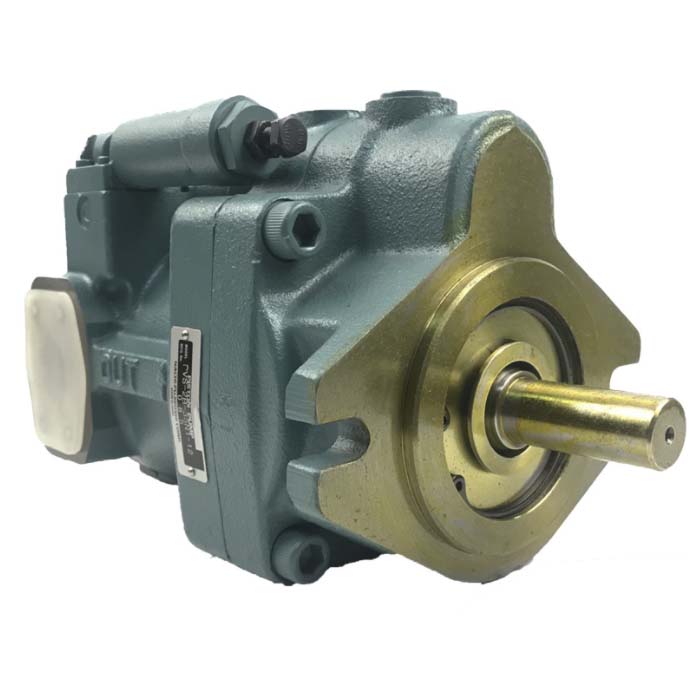
When selecting a Parker piston pump for a Hydraulic System, several critical factors must be carefully evaluated to ensure optimal performance, reliability, and efficiency. This article explores the technical and operational considerations that guide the selection of Parker piston pumps, emphasizing system compatibility, energy efficiency, and service life.

1. System Pressure and Flow Requirements

The pressure and flow capacity of the hydraulic system are key determinants in selecting a Parker piston pump. Hydraulic systems generally operate under three pressure levels: low (≤2.5 MPa), medium (8–16 MPa), and high (20–31 MPa). For piston pumps, the system pressure should be maintained at 70–80% of the pump's rated discharge pressure. This practice ensures economical operation while prolonging the pump’s service life. It is essential to avoid using hydraulic diaphragm pumps in systems that require Parker piston pumps, as the built-in safety valve in diaphragm pumps can easily activate under hydraulic pressure, disrupting normal system operation.

2. Noise Levels and Flow Pulsation

Different types of pumps exhibit varying noise levels and flow pulsation rates, factors that influence system performance and operator comfort. Parker piston pumps are known for their relatively low noise and moderate flow pulsation. When compared to other pump types, such as external gear pumps, which have high noise and pulsation rates, or Vane Pumps, which have lower noise but variable pulsation, Parker piston pumps strike a balance. Their performance is particularly suited for applications where moderate pulsation and quieter operations are desirable.

3. Reliability, Service Life, and Cost

The reliability and longevity of a hydraulic pump significantly affect the overall maintenance costs and downtime of a system. Parker piston pumps are highly reliable and offer a longer service life compared to gear pumps and single-acting vane pumps. However, they are more expensive than these alternatives. Screw pumps, although the most reliable and durable, are also the costliest. Choosing a Parker piston pump provides a balance between cost and reliability, making it a practical choice for many industrial applications.

4. Sensitivity to Contamination

Hydraulic systems operate optimally when oil cleanliness is maintained. Parker piston pumps, like screw and vane pumps, are sensitive to contamination. This necessitates the use of high-precision filtration systems to ensure the longevity and proper functioning of the pump. Low-pressure gear pumps are less sensitive to contamination and can operate with lower filtration standards, but high-pressure systems with Parker piston pumps demand meticulous filtration management.

5. Energy Efficiency

Energy efficiency is a critical consideration in modern hydraulic systems. To minimize power consumption, variable pumps, particularly variable vane pumps with proportional pressure and flow control, are recommended. Additionally, using double or triple pumps can further optimize energy usage. Parker piston pumps, when correctly selected, contribute significantly to energy savings, making them suitable for high-demand applications.

6. Performance Criteria: Flow and Pressure

The core performance parameters of Parker piston pumps include flow and pressure ratings. The following principles guide their selection:

  • Rated Flow: The pump’s output flow must meet the maximum speed requirements of the system's actuator. Leakage within the system must also be accounted for to ensure sufficient flow is maintained.

  • Rated Pressure: The pump must be capable of withstanding the system's maximum working pressure. The rated pressure of the selected pump should be equal to or greater than the calculated system pressure. Overload operations should be limited to the specifications outlined in the product manual to prevent premature wear.

7. Structural Considerations and Speed

Once the pump's pressure and flow requirements are determined, the structural type of the Parker piston pump must be selected. The chosen pump should have a rated pressure and flow slightly higher than the system’s requirements, avoiding excessive over-sizing. Additionally, the pump's operational speed must align with the manufacturer's specifications to ensure optimal performance.
Tag: parker piston pump hydraulic systems

Random Recommend

  • how can I tell if the hydraulic charge pump is broken?
  • Safety Considerations When Working with Hydraulic Cylinders/Jacks
  • How Often Should I Calibrate My Torque Wrench
  • Understanding Hydraulic Cylinders and Their Applications
  • what problems should be paid attention to when using hydraulic motor
  • How to control the speed of low speed hydraulic motor in application
  • Vibration and Noise in Hydraulic Systems: Causes, Effects, Control Strategies
  • 6 Signs You May Need To Repair Hydraulic Control Valves
  • double acting hydraulic cylinder troubleshooting
  • Introduction of an Oil Cylinder with Better Sealing Performance

Related Products

Nachi Hydraulic Variable High Pressure Piston Pumps PVS Series

Nachi Hydraulic Variable High Pressure Piston Pumps PVS Series

Rexroth ELECTRO-HYDRAULIC PROPORTIONAL DIRECTIONAL VALVE 4WRKE16 4WRKE25 Series

Rexroth ELECTRO-HYDRAULIC PROPORTIONAL DIRECTIONAL VALVE 4WRKE16 4WRKE25 Series

TW Series Bolt Tensioners for Wind Turbines

TW Series Bolt Tensioners for Wind Turbines

S45 Multipurpose monoblock valves

S45 Multipurpose monoblock valves

SFBP Series Anti - Explosion Electric Hydraulic Torque Wrench Pumps

SFBP Series Anti - Explosion Electric Hydraulic Torque Wrench Pumps

PGF2 PGF1 PGF3 series Rexroth Gear Pumps

PGF2 PGF1 PGF3 series Rexroth Gear Pumps

Kawasaki Hydraulic pump K5V series

Kawasaki Hydraulic pump K5V series

Ultra-Low Pulse Vickers Eaton Double 20V Vane Pump

Ultra-Low Pulse Vickers Eaton Double 20V Vane Pump

4 spool directional control valve

4 spool directional control valve

SDW1,180-1803Nm 3/4”Hydraulic Torque Wrench

SDW1,180-1803Nm 3/4”Hydraulic Torque Wrench

  • ABOUT US

    • Honor
    • Manufacturing Capacity
    • Privacy Policy
    • Terms of Service
    • FAQ
  • PRODUCTS

    • Hydraulic Pumps
    • Hydraulic Motors
    • Hydraulic Valves
    • Planetary Gearboxes
    • Hydraulic Cylinder
    • Hydraulic Power Units
    • Hydraulic Pump Parts
    • Hydraulic Tools
    • Hydraulic System
    • Hydraulic Manifolds
    • Hydraulic Winch
    • Electro Hydraulic Actuators
  • APPLICATIONS

    • MOBILE
    • AGRICULTURE
    • INDUSTRIAL
    • ENERGY
    • FOOD & BEVERAGE
    • OIL & GAS
  • CONTACT US

    NO. 626 Yuncai Road,

    Yunlong Town, Yinzhou,

    Ningbo, Zhejiang, China.

    +8613905748980

    Monday - Friday:

    8:30 AM to 5:30 PM

    sales@saivs.com

    Saivs industrial twitter youtube linkedin pinterest
Copyright © 2012-2025 Ningbo Saivs Machinery Co.,ltd. 
TAGS  SiteMap